
Introduction
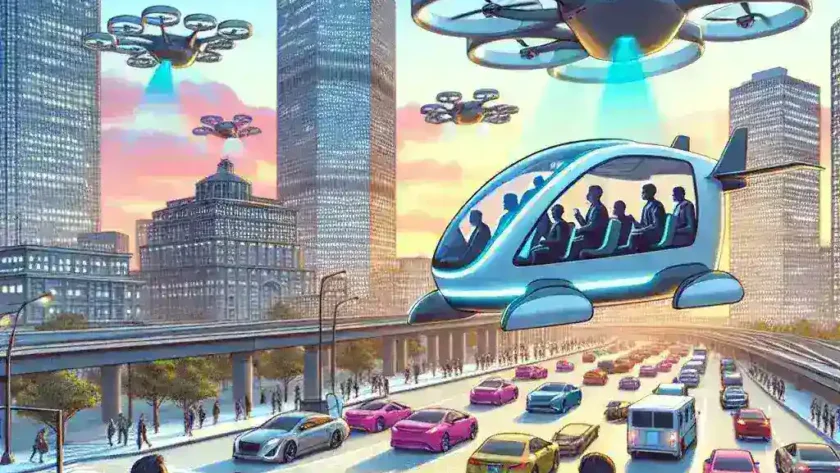
The transportation landscape in the United States is on the verge of a monumental shift, as Boston-based startups lead the charge in developing AI powered air taxis for commuters. With urban congestion reaching critical levels, these innovative vehicles promise to revolutionize how we navigate our cities, reducing travel time and emissions while enhancing the commuting experience.
The Rise of Air Taxis
As cities grow and populations swell, traditional forms of transportation are proving inadequate. Traffic jams are a daily reality for millions of commuters, leading to longer travel times and increased frustration. In this context, air taxis, also known as urban air mobility (UAM) vehicles, present a compelling solution.
What Are AI Powered Air Taxis?
AI powered air taxis are autonomous or semi-autonomous aerial vehicles designed to transport passengers quickly and efficiently. Utilizing artificial intelligence, these vehicles can navigate complex urban environments, optimize flight paths, and ensure passenger safety. The potential benefits of air taxis include:
- Reduced Travel Time: Bypassing ground traffic can significantly decrease commuting times.
- Environmentally Friendly: Many designs focus on electric or hybrid propulsion systems to minimize emissions.
- Cost-Effective: As technology advances, the cost of air taxi rides may become comparable to traditional taxi services.
Boston’s Role in the Air Taxi Revolution
Boston has emerged as a hotspot for innovation, attracting several startups focused on developing air taxi solutions. The city’s rich ecosystem of universities, research institutions, and tech companies provides a fertile ground for groundbreaking developments in aviation technology.
Key Players in the Boston Air Taxi Space
Several Boston-based startups are at the forefront of this movement, each bringing unique solutions to the table:
- SkyLift: Specializing in electric vertical takeoff and landing (eVTOL) aircraft, SkyLift aims to create a fleet of air taxis that can seamlessly integrate into existing urban infrastructures.
- UrbanFly: Focusing on AI-driven navigation systems, UrbanFly’s innovative software enables real-time data processing to adapt flight paths based on traffic patterns and weather conditions.
- AeroBoston: This startup is working on hybrid air taxis that combine traditional aviation technologies with the latest in electric propulsion, aiming for a sustainable model for urban air mobility.
Technological Innovations Driving Air Taxis
The success of air taxis hinges on several key technological advancements:
Artificial Intelligence and Machine Learning
AI plays a crucial role in optimizing flight operations. Through machine learning algorithms, these vehicles can learn from real-time data, improving their efficiency and safety with each flight. The integration of AI enables:
- Predictive analytics for maintenance, reducing downtime.
- Dynamic flight planning to avoid obstacles and manage air traffic.
- Enhanced safety features, including automated emergency protocols.
Electric Propulsion Systems
To address environmental concerns, many startups are developing electric propulsion systems. These systems not only reduce emissions but also lower operational costs. The benefits include:
- Quieter operations, minimizing noise pollution in urban areas.
- Lower fuel costs, making air taxis more economical over time.
- Improved public perception, as eco-friendly practices gain importance among consumers.
Challenges Ahead
Despite the promise of air taxis, several challenges must be addressed for widespread adoption:
Regulatory Hurdles
Navigating the regulatory landscape is one of the most significant challenges for air taxi startups. Developing a robust framework for air traffic management in urban settings is essential. Key considerations include:
- Establishing safety standards for both the vehicles and their operations.
- Integrating air taxis into existing transportation networks without causing disruption.
- Developing clear guidelines for pilot training and certification, even for semi-autonomous systems.
Public Acceptance
For air taxis to thrive, public perception is vital. Educating the public about the safety and benefits of this new mode of transport will be essential. Some strategies include:
- Community engagement initiatives to address concerns and gather feedback.
- Demonstration flights to showcase technology and build trust.
- Partnerships with local governments to create a favorable environment for testing and deployment.
The Future of Urban Mobility
The development of AI powered air taxis is more than just a technological innovation; it’s a vision for the future of urban mobility. As Boston-based startups continue to push the envelope, we can expect to see:
Integration with Smart Cities
As cities become smarter, the integration of air taxis into urban infrastructure will be critical. Potential advancements may include:
- Smart traffic management systems that coordinate air and ground travel.
- Seamless payment systems that allow commuters to use multiple modes of transportation with ease.
- Data analytics to monitor and improve urban mobility as a whole.
Global Implications
The success of Boston’s air taxi startups could set a precedent for cities around the world. As urban air mobility expands globally, the implications for economies, environments, and commuting patterns will be profound.
Conclusion
Boston-based startups are at the forefront of developing AI powered air taxis, promising to transform the future of urban commuting in the United States. While challenges remain, the potential benefits of reduced travel time, environmental sustainability, and innovative technology position air taxis as a key player in the future of urban mobility. As these pioneering companies continue to evolve, they are not just creating a new mode of transportation; they are shaping the cities of tomorrow.