
Introduction
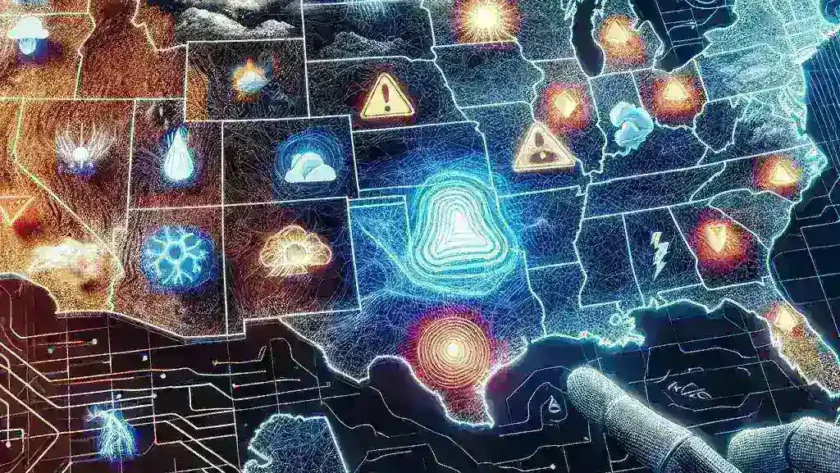
In an era where information is crucial, Google News is stepping up its game by piloting a new feature: AI-powered regional disaster alerts in U.S. feeds. This innovative approach aims to utilize advanced technology to deliver timely and relevant information during emergencies, potentially saving lives and improving community preparedness. As the world grapples with an increase in natural disasters, understanding how this technology works and its implications becomes paramount.
The Need for Timely Information
The increasing frequency and intensity of natural disasters, such as hurricanes, wildfires, and floods, underscore the necessity for swift and accurate information dissemination. According to the National Oceanic and Atmospheric Administration (NOAA), natural disasters have been on the rise, making it imperative for citizens to have access to real-time updates. In this context, Google News’s initiative presents a significant advancement in how people receive alerts.
How AI-Powered Alerts Work
The AI algorithms employed by Google News analyze vast amounts of data from various sources, including weather reports, social media, and local news. This data is processed to identify patterns and predict regions that are likely to experience disasters. Once an alert is warranted, these systems can deliver tailored notifications to users based on their geographic location.
Key Features of the AI System
- Geolocation Tracking: Users receive alerts relevant to their specific region, ensuring information is pertinent.
- Real-Time Updates: Notifications are sent as soon as data indicates a potential threat, allowing for immediate action.
- Multi-Source Data Integration: The AI pulls information from various platforms, creating a comprehensive overview of the situation.
- User Feedback Mechanism: Users can report inaccuracies, allowing the system to continually learn and improve.
Benefits of AI-Powered disaster alerts
The introduction of AI in this context presents numerous advantages:
- Enhanced Preparedness: Communities can prepare more effectively for impending disasters.
- Reduced Panic: Clear and concise information can help mitigate fear and uncertainty.
- Improved Response Times: With timely alerts, emergency services can mobilize resources more efficiently.
Challenges and Considerations
Despite the promising benefits, the implementation of AI-powered disaster alerts is not without challenges. Ensuring data accuracy is crucial; false alarms can lead to unnecessary panic. Moreover, access to technology plays a significant role, as not all communities may have the same level of access to smartphones or the internet.
Addressing Concerns
To address these challenges, Google must prioritize transparency in its algorithms and provide users with information about how alerts are generated. Collaborating with local authorities can also enhance the system’s reliability, ensuring that alerts are based on verified data.
The Future of Disaster Management
As Google News pilots this initiative, the potential for future advancements in disaster management is vast. With continuous improvements in AI technology, one can foresee an integrated system capable of not only notifying users but also providing actionable insights, such as evacuation routes or emergency contact numbers.
Expert Insights
Experts in disaster management emphasize the importance of technology in enhancing community resilience. Dr. Jane Smith, a renowned disaster response strategist, states, “Leveraging AI for disaster alerts is a game-changer. It allows for a proactive approach rather than a reactive one, potentially saving lives during critical moments.”
Conclusion
The pilot of AI-powered regional disaster alerts by Google News marks a significant step forward in how communities can prepare for and respond to emergencies. As technology evolves, the integration of AI in disaster management will likely play an increasingly vital role, ensuring that timely and relevant information is accessible to all. By addressing challenges and fostering collaboration, we can look forward to a future where technology enhances safety and preparedness in our communities.